
A practical guide through the complete Clinical Research Project lifecycle and key Management Skills in small bytes.
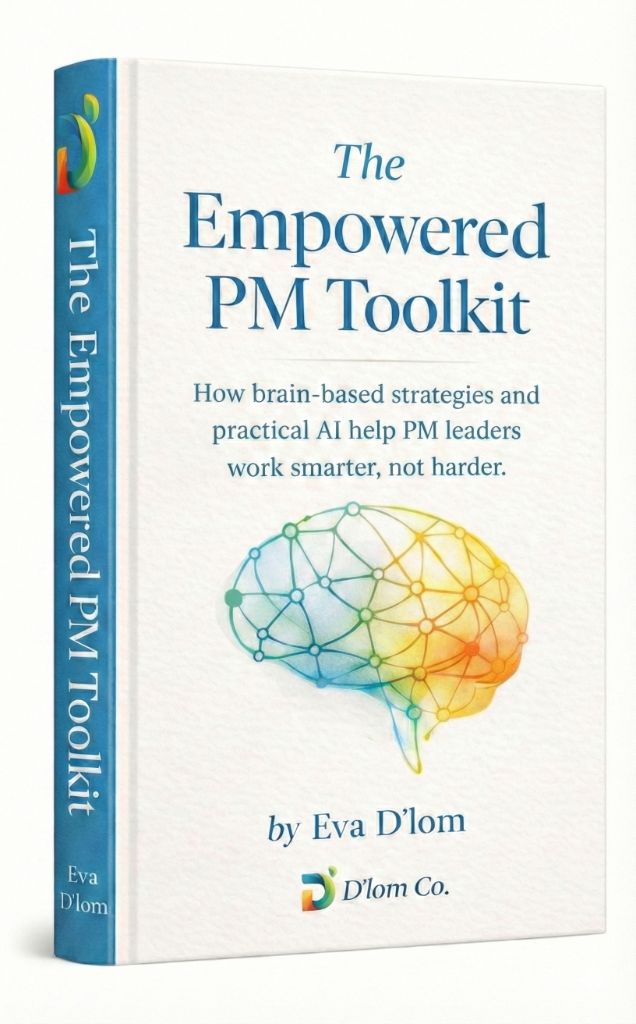
These posts walk you through each stage primarily from a CRO perspective with Pharma insights where processes differ. You'll find real experiences from 25 years in the field, templates you can adapt, brain-based strategies to reduce chances of burnout, and AI prompts that actually can help you.
Where project management methodology meets neuroscience and practical AI application.
Featured Articles

Executive Presence Under Pressure: What Neuroscience Reveals About High-Stakes Confidence
The moment before a high-stakes presentation to your senior leaders or key client can feel like standing at the edge of a cliff.
Your heart races, your thoughts scatter, and your carefully prepared content feels suddenly out of reach.
What most performance advice overlooks is this: that response is not a weakness. It is your brain doing exactly what brains do when they detect social threat.
This post breaks down the neuroscience of presentation anxiety and gives you a practical, evidence-based framework to work with your brain rather than against it. You will learn how the SCARF model explains your pre-presentation experience, and how a structured approach using mental rehearsal, physiological regulation, and cognitive reappraisal can produce measurable improvements in confidence and delivery.
Whether you are presenting to a board, defending a major proposal, or stepping into a critical leadership conversation, this framework is built for leaders who perform under pressure. Presenting with genuine confidence is a trainable neurological skill, and you can start building it today.
Leading Under Scrutiny
You've mastered almost everything your level demands. Your track record speaks for itself. Your judgement under pressure is sound. And yet there is one specific context — a large audience, a high-visibility presentation, elevated scrutiny — where something subtly shifts and effort alone keeps failing to resolve it.
This isn't a confidence problem. It isn't a preparation problem. Neuroscience identifies it as something far more precise: a hardwired threat response that partially limits access to your own full capacity in high-scrutiny environments.
This post explains exactly what is happening neurologically, why the usual approaches fall short, and what it actually takes to resolve the pattern — not by performing through it, but by genuinely changing the internal state from which you operate.