
A practical guide through the complete Clinical Research Project lifecycle and key Management Skills in small bytes.
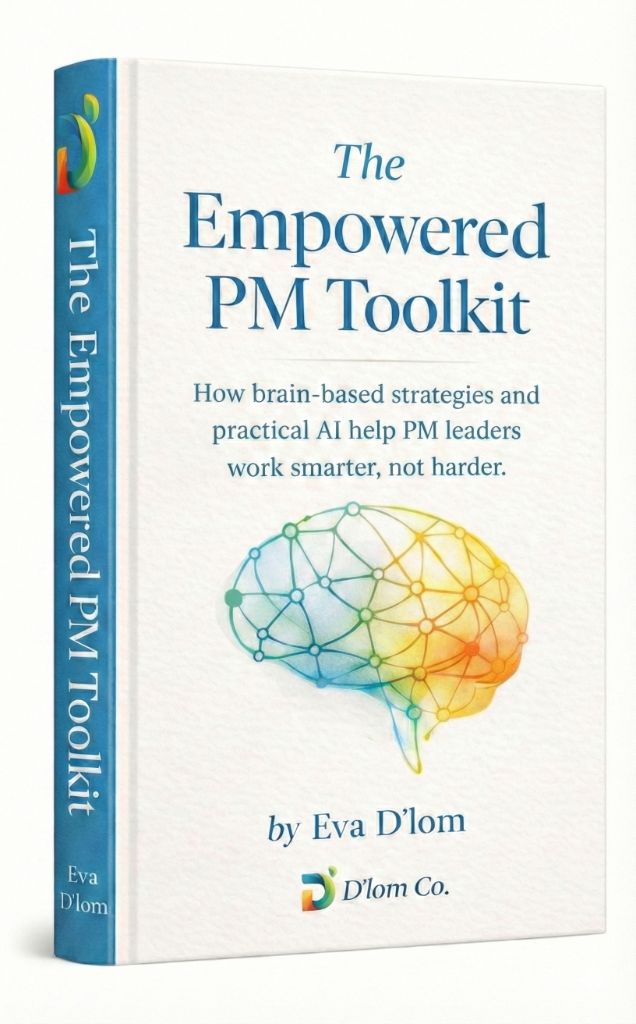
These posts walk you through each stage primarily from a CRO perspective with Pharma insights where processes differ. You'll find real experiences from 25 years in the field, templates you can adapt, brain-based strategies to reduce chances of burnout, and AI prompts that actually can help you.
Where project management methodology meets neuroscience and practical AI application.
Featured Articles


Executive Presence Under Pressure: What Neuroscience Reveals About High-Stakes Confidence
The moment before a high-stakes presentation to your senior leaders or key client can feel like standing at the edge of a cliff.
Your heart races, your thoughts scatter, and your carefully prepared content feels suddenly out of reach.
What most performance advice overlooks is this: that response is not a weakness. It is your brain doing exactly what brains do when they detect social threat.
This post breaks down the neuroscience of presentation anxiety and gives you a practical, evidence-based framework to work with your brain rather than against it. You will learn how the SCARF model explains your pre-presentation experience, and how a structured approach using mental rehearsal, physiological regulation, and cognitive reappraisal can produce measurable improvements in confidence and delivery.
Whether you are presenting to a board, defending a major proposal, or stepping into a critical leadership conversation, this framework is built for leaders who perform under pressure. Presenting with genuine confidence is a trainable neurological skill, and you can start building it today.
The "Work Smarter" Myth Cracked (6/18): Attention Residue
You switch tasks 50 times per day—checking email between writing reports, answering quick questions during strategic planning, reviewing documents while on calls. You're busy every minute, yet at day's end you've completed nothing meaningful. This isn't because you're inefficient. It's attention residue: every task switch costs 20-40% of your cognitive capacity for the next 20 minutes. Your brain literally cannot switch instantly. The residue lingers, fragmenting your focus across dozens of incomplete tasks. The exhaustion is real, but invisible. This post reveals the neuroscience behind why you feel mentally destroyed despite being "productive" all day, and provides a six-step protocol to reclaim your cognitive capacity for the strategic work that actually matters.