
A practical guide through the complete Clinical Research Project lifecycle and key Management Skills in small bytes.
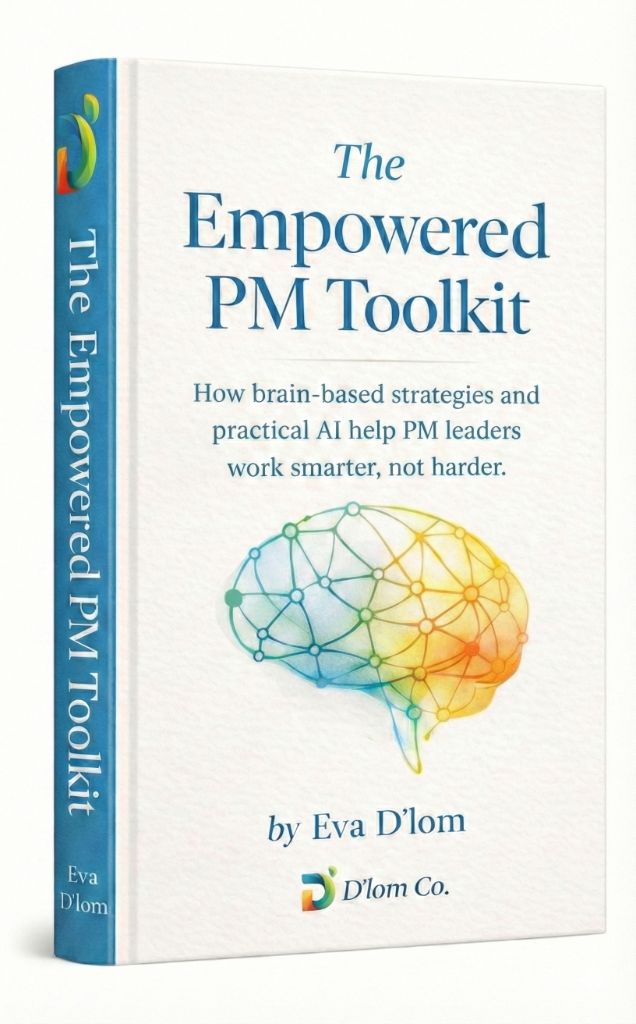
These posts walk you through each stage primarily from a CRO perspective with Pharma insights where processes differ. You'll find real experiences from 25 years in the field, templates you can adapt, brain-based strategies to reduce chances of burnout, and AI prompts that actually can help you.
Where project management methodology meets neuroscience and practical AI application.
Featured Articles




The "Work Smarter" Myth Cracked (13/18): Priming Effects
You're sabotaging your entire day before 8 a.m. Not through poor planning or weak willpower, but through neural priming you don't even recognize.
When you check email first thing each morning, you're programming your brain to spend the entire day in crisis mode. Not metaphorically. Neurologically. Your Reticular Activating System gets primed to filter for problems. Your stress response activates before you've encountered any genuine crisis. Your prefrontal cortex shifts into reactive rather than strategic mode.
The Buddha understood this 2,500 years ago: "The mind is everything. What you think, you become." Neuroscience now explains the mechanism. What your brain encounters first shapes how it processes everything that follows. This is priming, and it's not mystical mindset work; it's measurable brain function.
The solution isn't working harder. It's deliberately controlling your first five minutes to programme strategic thinking rather than accidentally triggering defensive firefighting. Here's the protocol that transforms your entire day through working with your brain's priming mechanism.
The "Work Smarter" Myth Cracked (5/18): Ultradian Rhythms
You pride yourself on powering through. Eight-hour focus marathons. Working through lunch. Never taking breaks because there's too much to do. You measure productivity by hours at your desk, not quality of output.
Here's the brutal truth: after 90 minutes of focused work without recovery, your brain's cognitive capacity drops 40-60%. That strategic analysis you're doing at hour three? It's half the quality it would be if you'd taken two 15-minute breaks.
This isn't about working harder. It's about working with your brain's natural ultradian rhythms: 90-120 minute cycles of peak focus followed by necessary recovery.
Empowered PM/PDs produce more high-quality output in five focused hours with recovery breaks than overwhelmed PMs produce in ten straight hours fighting their biology.
Here's the protocol to transform hours worked into value delivered.